
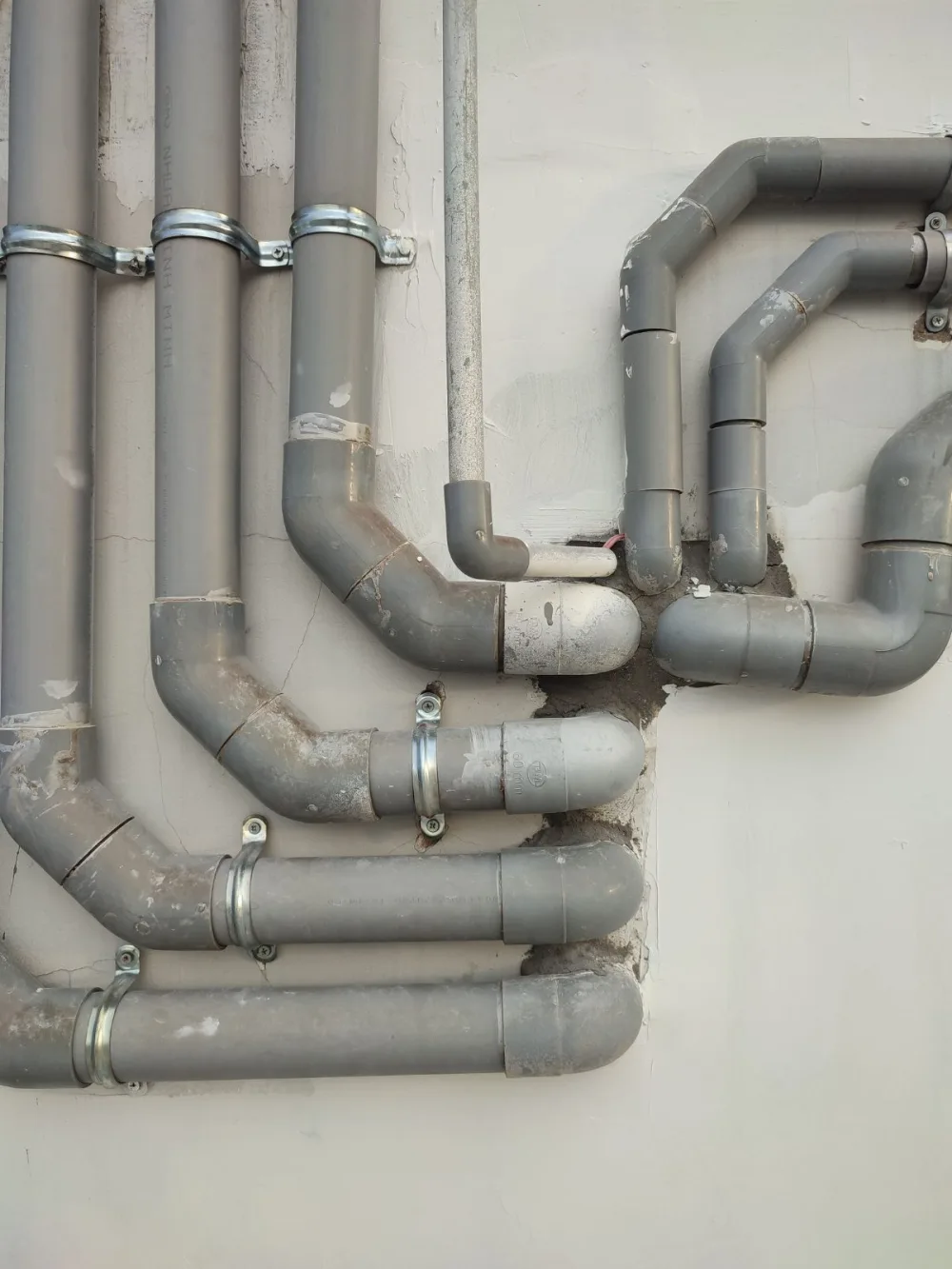
Conduit is the part of an electrical installation nobody sees and everybody depends on. Get the size right and rewiring a room years later takes an afternoon. Get it wrong and the only option is breaking the wall.
Fill ratio decides the size
The rule that matters most is fill ratio — how much of the conduit's internal area the cables actually occupy. Pack a conduit full and two problems follow: heat cannot escape, which derates the cable, and the bunch becomes impossible to pull. As a working practice, keep cables to roughly 40% of the conduit's internal cross-section, and drop lower on long runs or runs with several bends.
Which size for which circuit
PNB conduit is made to IS 9537 in 20 mm to 50 mm sizes. For domestic lighting and socket circuits, 20 mm and 25 mm cover most of the work. Sub-main runs and cable bunches feeding a distribution board are where 32 mm and above earn their place. Choosing one size up at the sub-main stage costs very little and leaves room for the circuit the client adds later.
Bends and pulling force
Keep bends gentle and few. Every sharp bend multiplies pulling force, and four tight bends in one run can make a pull impossible even at correct fill. Use proper bends and couplers rather than heating and forcing the pipe — a kinked conduit has a reduced internal diameter exactly where the cable needs the most room. Where a run has to change direction repeatedly, add an inspection or junction box and pull in two stages.
Two habits that pay off later
Two habits worth keeping: leave a draw wire in every concealed conduit before plastering, and photograph the routing before the wall is closed. The first makes future pulls trivial; the second saves the electrician who comes after you from guessing.